
From Engadine to Fivizzano, Swiss pastry chefs in Lunigiana.
Qhis is a story of immigration, but in this case it is in reverse, we are not talking about Lunigianians going in search of fortune in northern Italy, America or Australia, the protagonists of our story are Swiss who arrived in Lunigiana. As in Pontremoli, as in Aulla, even in Fivizzano there is a Swiss café, an establishment dating as far back as the mid-19th century opened by emigrants from Engandina.

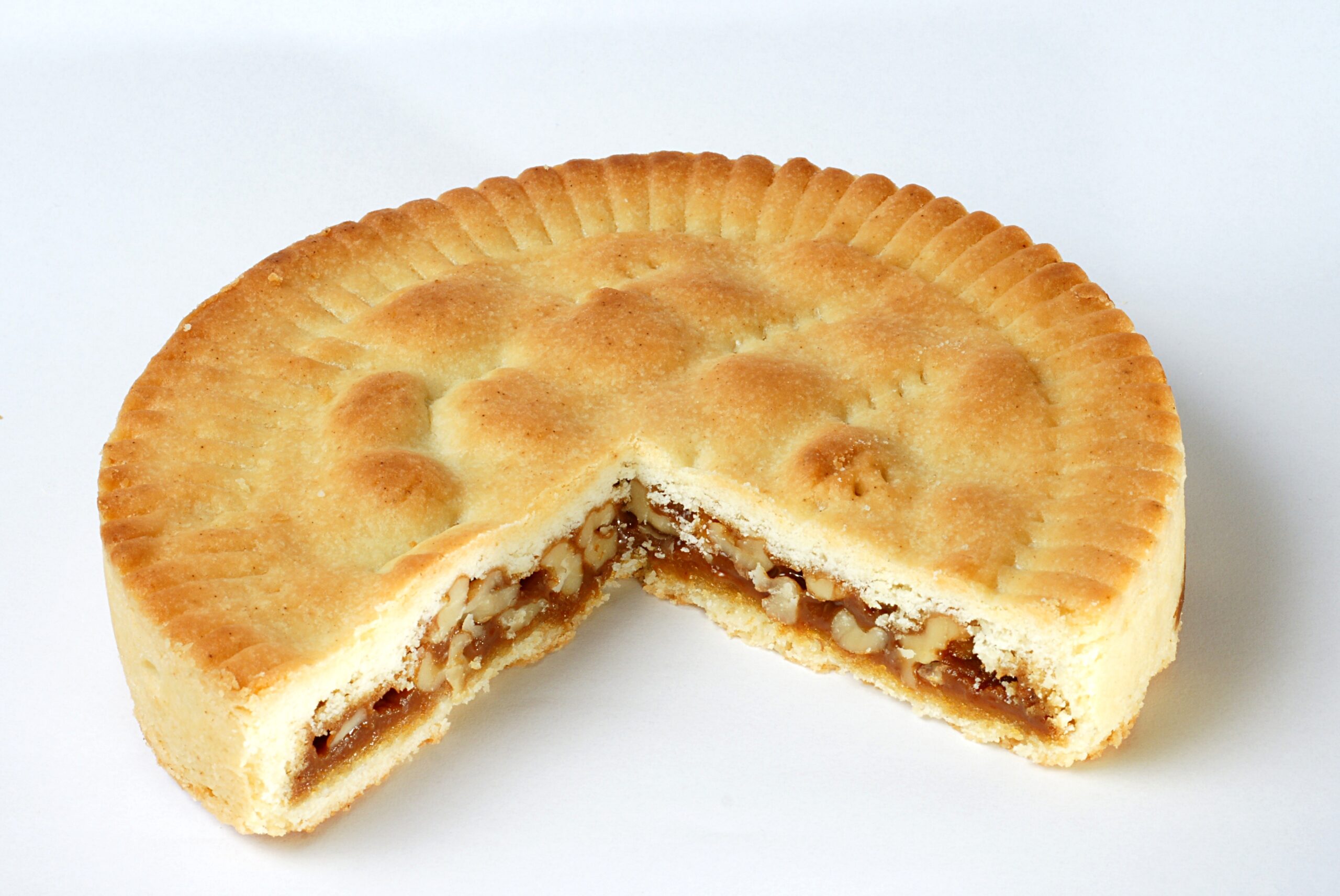
In 1850 the presence in Fivizzano of a certain Gaspare Perl (1807-1872) and later a Tommaso Bonorand both from Lavin in the Lower Engadine is documented. It was probably Gaspare himself who was the founder of the Perl confectionery and Caffè Elvetico in the central Piazza Maggiore, later named after Victor Emmanuel II, but still known to all as Piazza Medicea. It seems that Fivizzano spongata had many influences from local Swiss pastries, in fact it has many ingredients and preparations in common with Bündner Nusstorte, a typical Engadine dessert , with the addition of more Lunigiana ingredients such as honey, pine nuts and figs. Much of this information was collected in “Die Zuckerbäcker, a book that described the lives of the many pastry chefs who had expatriated to Tuscany to work, again from the book we learn that Swiss pastry chefs left Fivizzano in 1907 for the United States where they opened a grocery café.
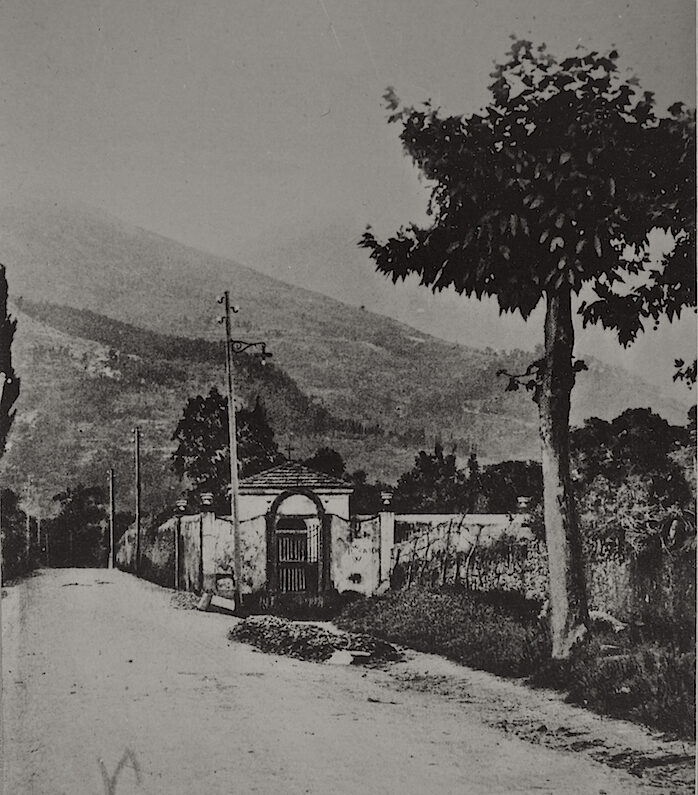
In Fivizzano, in addition to the name of the place still standing today in Piazza Vittorio Emanuele II, we find another clear evidence that has come down to us. The Perls’ elderly grandmother died in Lunigiana itself, and since the family was of the Protestant denomination, she could not be buried in the local cemetery. So the family bought a small plot of land not far from the Fivizzano cemetery in order to have a place where they could bury their loved ones. Even today, just outside the town of Fivizzano, there remains a small plot of land surrounded by a wall with a small chapel, known to all as the “Cemetery of the Swiss”; here during World War II some Germans were buried and later it was recognized as a historical site.